
Running a restaurant in Australia involves much more than preparing delicious food and providing excellent customer service. Restaurant owners must also manage daily sales, supplier invoices, employee wages, operating expenses, GST records and financial reporting. Therefore, maintaining accurate bookkeeping is essential for running a profitable and well-organised restaurant.
However, managing financial records can become challenging, especially when restaurants handle multiple suppliers, staff payments, online orders and daily transactions. This is why professional Restaurant Bookkeeping Services Australia can make a significant difference.
In this guide, we explain the importance of bookkeeping, essential accounting tasks and practical ways Australian restaurant owners can manage their finances more effectively.
What Is Restaurant Bookkeeping?

Restaurant bookkeeping is the process of recording, organising and monitoring all financial transactions related to restaurant operations.
It includes tracking daily sales, recording supplier invoices, managing expenses, reconciling bank transactions and maintaining payroll records.
For example, a restaurant may receive payments through EFTPOS, cash, online ordering platforms and delivery applications. Consequently, keeping these transactions organised is important for understanding the actual financial performance of the business.
Furthermore, accurate bookkeeping helps restaurant owners monitor income, control expenses and prepare financial information when required.
7 Essential Bookkeeping Tasks for Australian Restaurant Owners
1. Record Daily Restaurant Sales
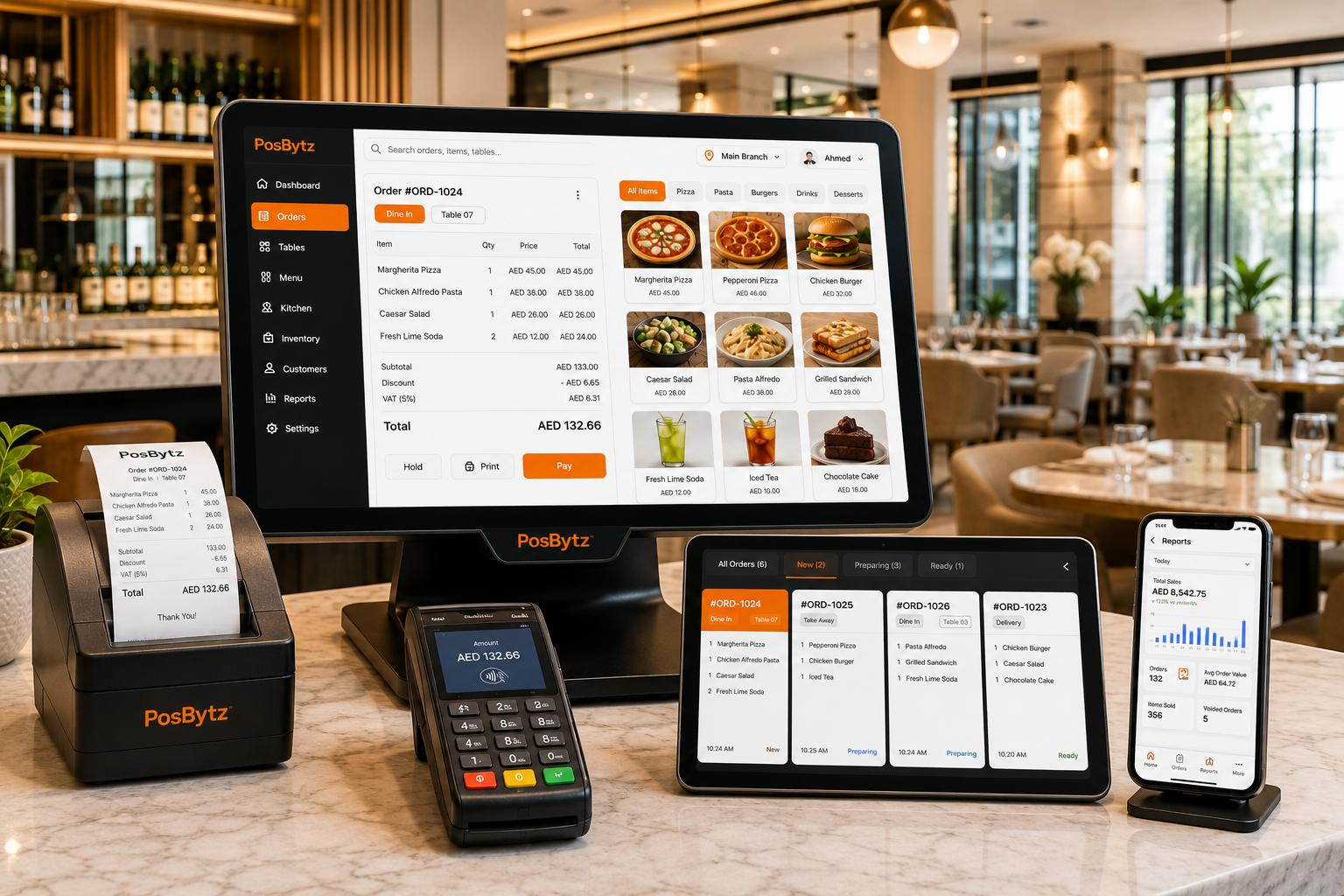
Recording daily sales is one of the most important bookkeeping responsibilities for restaurant owners.
Restaurants often receive payments through multiple channels, including cash, debit cards, credit cards, online orders and delivery platforms.
Therefore, all sales should be recorded accurately and matched with the relevant POS and payment records.
Regular sales tracking helps business owners understand daily revenue, identify busy periods and monitor business performance. Additionally, it makes it easier to identify differences between POS reports and actual bank deposits.
2. Manage Supplier Invoices and Accounts Payable
Restaurants regularly purchase ingredients, beverages, packaging materials and cleaning supplies from different suppliers.
Without organised invoice management, however, duplicate payments, missing invoices and incorrect charges can affect financial records.
Therefore, restaurant owners should maintain proper supplier invoice records and regularly review outstanding payments.
Professional Accounts Payable Management can also help restaurants organise invoices, verify supplier charges and monitor payment due dates.
3. Monitor Food Costs and Operating Expenses
Food costs are a major expense for most restaurants. In addition, businesses need to manage rent, utilities, wages, delivery commissions, maintenance and other operating expenses.
Consequently, monitoring expenses regularly is essential for maintaining healthy profit margins.
Restaurant owners should categorise expenses and compare actual costs with their budgets. Moreover, reviewing food purchases and wastage can help identify opportunities to improve cost control.
4. Reconcile Bank and POS Transactions
Bank reconciliation helps restaurants compare their accounting records with actual bank statements.
For example, a restaurant may record daily sales in its POS system. However, the corresponding bank deposits may differ because of payment processing fees, settlement timing or other adjustments.
Similarly, cash transactions and supplier payments must be recorded correctly.
Therefore, regular Bank Reconciliation Services Australia can help restaurant owners identify discrepancies, monitor transactions and maintain accurate financial records.
5. Manage Payroll and Employee Records
Restaurants often employ chefs, kitchen assistants, waitstaff, managers and casual employees. As a result, payroll administration can become complicated.
Restaurant owners need to maintain accurate employee details, timesheets, working hours, leave records and payroll information.
Additionally, Australian employers must consider applicable award requirements, superannuation obligations, PAYG withholding and Single Touch Payroll (STP) reporting.
Therefore, organised payroll administration helps businesses maintain accurate employee records and manage their payroll responsibilities.
6. Maintain GST and Accounting Records
Australian restaurants may need to manage GST-related records, depending on their registration and business circumstances.
Keeping proper sales invoices, supplier bills, expense receipts and transaction records makes it easier to prepare financial information for BAS and other tax-related requirements.
Furthermore, businesses should ensure that transactions are classified correctly and supporting documents are retained.
Professional bookkeeping support can help organise these records and assist with BAS preparation. Where BAS lodgement or tax-agent services are required, businesses should use an appropriately registered professional.
7. Prepare Monthly Financial Reports

Financial reporting helps restaurant owners understand how their businesses are performing.
Important reports include:
- Profit and Loss Statement
- Balance Sheet
- Cash Flow Statement
- Sales Performance Report
- Food Cost Report
- Labour Cost Report
- Expense Analysis
By reviewing these reports regularly, restaurant owners can identify unnecessary expenses, understand profitability and make better business decisions.
Best Accounting Software for Australian Restaurants
Using suitable accounting software can simplify restaurant bookkeeping and reduce manual work.
Some commonly used accounting platforms include:
Xero: Helps businesses manage invoices, bank reconciliation, expenses and financial reporting.
MYOB: Supports bookkeeping, payroll-related workflows and business financial management.
QuickBooks: Provides tools for income and expense tracking, invoicing and financial reporting.
Additionally, integrating POS and accounting systems where supported can improve transaction recording and reduce repetitive data entry.
Common Bookkeeping Mistakes Restaurant Owners Should Avoid
Even experienced restaurant owners can make bookkeeping mistakes. However, identifying these problems early can help maintain better financial control.
Some common mistakes include:
- Not recording daily sales accurately.
- Mixing personal and business expenses.
- Missing supplier invoices and payment records.
- Delaying bank reconciliation.
- Not monitoring food and labour costs.
- Maintaining incomplete payroll records.
- Ignoring monthly financial reports.
Therefore, restaurant owners should establish consistent bookkeeping procedures and review their financial records regularly.
Why Choose PKR Associates for Restaurant Bookkeeping Services Australia?
Managing restaurant operations and financial records simultaneously can consume valuable time. Consequently, outsourcing bookkeeping support can help business owners focus more on customers, employees and daily operations.
At PKR Associates, we provide accounting and bookkeeping support for Australian restaurants, cafés and hospitality businesses.
Our support includes:
- Restaurant Bookkeeping
- Daily Sales Recording
- Accounts Payable and Receivable Support
- Supplier Invoice Management
- Bank and Credit Card Reconciliation
- Payroll Administration Support
- Expense Management
- Financial Reporting Support
- Xero, MYOB and QuickBooks Assistance
Whether you operate a small café, takeaway business or established restaurant, organised bookkeeping can help you maintain accurate financial records and improve business visibility.
Conclusion
Bookkeeping is an essential part of running a successful restaurant in Australia. From recording daily sales and managing supplier invoices to monitoring payroll and reconciling bank transactions, every financial activity needs proper attention.
Moreover, regular financial reporting helps restaurant owners understand their costs, monitor profitability and make informed decisions.
Therefore, investing in professional Restaurant Bookkeeping Services Australia can help simplify financial administration and support long-term business growth.
Looking for reliable restaurant bookkeeping support in Australia?
Contact PKR Associates today to discuss your restaurant accounting and bookkeeping requirements.
PKR Associates – Your Accounting & Bookkeeping Support Partner for Australian Restaurants!